How Much Should I Water My New Lawn?

One of the most common questions homeowners ask after installing sod is, “How much should I water my new lawn?” 

The short answer is: plenty at first, then gradually less as the roots become established.

Proper watering is one of the most important factors in helping new sod develop a strong root system and grow into a healthy, beautiful lawn. B&B Hoffman Sod Farm is here to answer your watering questions and to make sure your new lawn thrives from Day 1.

Weeks 1-2 Are Critical

Newly installed sod is prone to shrinkage, so it relies heavily on regular watering.

For the first 10-14 days:

  • Water 1 -2 times per day
  • Keep the sod and soil underneath consistently moist
  • Water early in the morning and again during the hottest parts of the day if needed

Pro Tip: Long watering is better than several short waterings.

Weeks 3-4: Water Less Often, But More Deeply

Once established, your lawn needs about 1” of water per week. Use a cat food/tuna fish can to determine how much water your lawn is getting. Aim for ½ inch two times per week. If you get rain, count that as one day of watering (not one week).

At this stage:

  • Water once per day or every other day
  • Encourage deeper root growth
  • Check that the sod is firmly rooting into the soil

Pro Tip: When mowing, never cut more than ⅓” from your grass height at a time.

 Signs Your Sod Needs Water

If you’re not sure whether you’re watering enough, here are signs to look for:

  • Dry or curling edges (water immediately!)
  • Wilting grass blades
  • Footprints that remain visible after walking on the lawn
  • Sod is turning a bluish color

Pro Tip: To make sure you’re actually using enough water, use a tuna fish or cat food can to gauge the amount of water getting into your lawn.

Don’t Overwater

Too much water can be just as harmful as too little. Overwatering can lead to shallow roots, disease, and soggy soil conditions. If water is pooling or the ground feels muddy, it’s time to cut back.

Set Your New Lawn Up for Success

A little extra attention during the first month can make all the difference. Proper watering helps your sod establish strong roots and creates the foundation for a lush, healthy lawn. If you have questions about watering, installation, or scheduling a sod delivery, the B&B Hoffman Sod team is always happy to help. Reach out today with your watering questions or to order your sod rolls at 763-434-6572.


Fun Facts about Natural Grass

At B&B Hoffman Sod Farm, we know a beautiful lawn adds instant curb appeal, but healthy grass does much more than simply make your yard look nice. Your lawn is constantly working behind the scenes to improve air quality, reduce heat, manage water runoff, and create a healthier outdoor environment for your family.

Here are a few fun facts about how hardworking your grass really is:

Your Lawn Helps Clean the Air: Natural grass acts like a natural air filter by trapping dust, dirt, and other pollutants while producing fresh oxygen. In fact, a healthy 2,500-square-foot lawn can produce enough oxygen for a family of four. 

Keeping it Cool: Did you know that natural grass helps cool things down? Lawns are often significantly cooler than concrete, asphalt, or artificial turf because grass absorbs less heat and releases moisture back into the air. That means cooler yards, cooler neighborhoods, and more comfortable outdoor spaces.

Reduce Stormwater Damage: You can’t control the weather, your lawn can help control the water after a storm. Heavy rain can quickly create runoff and erosion problems, especially in urban and suburban areas. Healthy sod helps slow water movement and allows moisture to soak into the soil instead of running straight into streets and storm drains. 

Erosion Prevention: Speaking of erosion, sod’s root system helps hold soil in place during heavy rain and windy conditions. Without healthy grass, soil can wash away quickly, leading to muddy spots, drainage issues, and landscape damage. Not only does sod stop soil from sneaking into your home during a rainstorm, but it also keeps dust from turning your living room into the Old West. It’s science

Water Filtration: Grass filters rainwater and improves groundwater quality by trapping gunk like dust, debris, and pollutants before heading to the nearest stream or lake. Your grass is out there doing the hard work while you’re just grilling burgers.

Noise Reduction: Believe it or not, your lawn also helps absorb sound. Grass naturally softens noise from traffic, neighbors, and everyday outdoor activity, making your yard feel quieter and more relaxing.

Natural Stress Relief: There’s a reason people enjoy spending time outside. Studies show that being around grass, trees, and green spaces can help reduce stress and improve mood. So the next time you’re relaxing in the backyard, your lawn may actually be helping you recharge.

Boost Your Home’s Value: A lush, green lawn adds major curb appeal and can even increase your home’s value. A well-maintained yard helps create a positive first impression and makes outdoor spaces more enjoyable for homeowners and guests alike.

The next time you step outside and feel that cool grass under your feet, remember: your lawn is doing more than just looking good. It’s cleaning your air, calming your mind, and even adding value to your home. At B&B Hoffman Sod Farm, we’re proud to provide high-quality Minnesota sod that helps homeowners create healthier, greener lawns. Whether you need fresh sod, grass seed, fertilizer, or help improving patchy areas, our team is here to help your lawn thrive all season long. Contact B&B Hoffman Sod Farm today at 763-434-6572 to get your yard looking its best!

Spring Sod Installation: Your Top Questions Answered

As the snow is (hopefully!) done for the season and temps are on the rise, many Minnesota homeowners are starting to think about their lawns. Whether you have a new build or your current grass is looking dead, dull, and patchy, the most effective way to get a lush, green yard before summer is sod installation! B&B Hoffman Sod is open for the season and ready to help get your lawn looking its best. We’re answering some of the most common questions we hear from homeowners and landscapers this time of year.

Q: Is April Too Early to Install Sod? 

A: Nope! The calendar isn’t the determining factor in when you can lay sod – the ground temperature is. As long as we can harvest sod, sod can be installed, will thrive and establish strong roots.

Q: Will My New Sod Be OK if There is a Late April Frost? 

:A: Yes, new sod is resilient and can handle a frost. 

Q: Sod vs. Seed: Which is Better in Spring? 

A: Both sod and seed have their place, but in spring, sod offers several advantages, including:

  • Instant green lawn vs. waiting weeks for seed to grow
  • Less risk of washout from spring rains
  • Fewer weeds compared to seeding
  • Durability: Established sod is thicker, lusher, and less fragile than emerging seedlings

Q: How Much Sun Does New Sod Need? 

A: Most sod varieties in Minnesota thrive in full sun to partial sun. Ideally, your new lawn should receive at least 50% of the daily sunlight or more. 

Q: How Often Should I Water New Sod? 

A: Watering new sod is critical in the first few weeks. Newly installed sod should be watered daily and kept consistently moist (but not soaked). Proper watering helps the sod establish into the soil and prevents drying out. For more information, we talk all about watering here

Q: What Do I Have to Do to Prepare for New Sod? 

A: Proper preparation is key to a successful lawn. Before installation, you should:

  • Remove old grass, weeds, and debris
  • Grade and level the soil
  • Add topsoil if needed

A well-prepared base ensures your sod roots properly and grows evenly. Check out our installation and care instructions on our website for more information.

Q: How Soon Can You Walk on New Sod? 

A: Though your new sod is thick and lush, you’ll want to limit foot traffic on it for at least 1 week, due to it being heavily watered often. Walking on a wet, newly installed lawn could cause it to shift or leave divots – foot indentations that will not go away and make for a bumpy ride when you mow it. You will mow your new lawn 7-12 days (NO LONGER) after installation, this will stimulate root growth. Once mowed, light traffic is fine, but full activity should wait until the sod is firmly established. (All the more reason to install early!)

Q: How Much Does Sod Installation Cost? 

A: The cost of sod installation in Minnesota can vary depending on the size of your yard, site preparation, and the type of sod used. B&B Hoffman Sod uses a premium Kentucky Blue Grass seed blend suited for the varying temperature swings Minnesota is known for. While it’s typically more up front than seeding, sod provides instant results, reduces erosion, and requires less waiting time for your lawn to be used, making it a worthwhile investment for many homeowners.

Get Your Lawn Ready For Summer

If you want a thick, healthy lawn in time for summer, now is the time to act. B&B Hoffman Sod is officially open for the season and ready to help with your sod installation needs. Call us at 763-434-6572 to get on the schedule and have your lawn looking its best this summer. 

Spring Has Sprung! How to Get Your Lawn Ready for the Season

As spring arrives in Minnesota, homeowners start thinking about bringing their lawns back to life. But successful spring lawn care isn’t just about the date on the calendar, it’s also all about timing, soil temps, and repairing winter damage before the season begins. B&B Hoffman Sod Farms is here to help homeowners turn tired, patchy lawns into lush, healthy landscapes this spring. Here’s how to get your lawn in tip-top shape for the season ahead.

Repairing Winter Damage: Voles, Snow Mold, and Dead Patches.. Oh My!

Minnesota winters can leave behind more than just melting snow and muddy puddles. As your lawn thaws, it’s important to assess and address any damage you find. 

Vole Damage

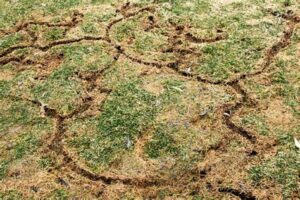
If your lawn suddenly looks like a road map, voles are likely to blame. Vole damage often appears as thin, winding trails across the lawn where these adorable yet infuriating little rodents tunneled under the snow over the winter. The good news is that it’s repairable with a little work, time, and patience. Lightly raking these areas helps remove dead grass and encourages new growth. Overseeding, fertilizer, and consistent watering will help regrowth. But if the damage is extensive, you may want to consider new sod.

Snow Mold

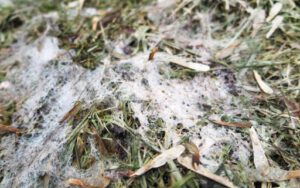
Another common issue that arises this time of year is snow mold. This will show up as matted, gray or pink patches after the snow melts. To get rid of it, gently rake the affected areas to improve airflow and promote healthy growth. If you find damage under the mold, you could aerate and overseed to get the area looking its best.

Thin/Dead Patches

If your lawn has smaller bare patches from winter damage, overseeding is one of the most effective ways to restore it. Spreading fresh grass seed improves density, fills in weak areas, and helps crowd out weeds before they can take hold. For best results, lightly rake the soil before seeding and keep the area consistently moist as the new grass establishes. If your lawn needs more extensive repair, fresh sod can be the fastest way to bring it back to life and restore a uniform, healthy appearance. 

A Little Prep Goes a Long Way

Once the soil is warm and you’ve fixed any damage, here are the actions you can take to make sure your lawn looks great this spring:

  • Fertilizer: Early spring is the perfect time to feed your lawn after a long winter. Applying a balanced fertilizer helps promote healthy root growth, improves color, and encourages thicker turf. A well fed lawn not only looks better but is also more resistant to weeds, disease, and stress throughout the season.
  • Aeration: While fall is the ideal time for aeration, spring aeration can still benefit lawns that feel hard, drain poorly, or struggle with uneven growth. After a few months of snow and foot traffic, soil can become compacted, making it harder for grass roots to grow. Aeration helps loosen the soil and allows water, oxygen, and nutrients to penetrate deeper.
  • Remove Thatch and Debris: A layer of debris and thatch can build up over winter, blocking sunlight and nutrients from reaching your grass. After the snow is gone and your lawn is dry, gently rake away leaves, sticks, and matted grass to improve overall lawn health. (But avoid being too aggressive this early in the season!)
  • Check Your Equipment: Before mowing season begins, take the time to check your lawn equipment. Sharp lawn mower blades ensure a clean cut, while setting the mowing height to around 2.5 to 3 inches will encourage healthy growth.
  • Water: Spring often brings rain, but it’s still important to prepare for consistent watering as temps rise. Check your sprinkler system for proper coverage and leaks, and plan to water deeply – and less frequently – to encourage strong root systems.

Trust the Soil Temperature Instead of the Calendar

One of the most important (and overlooked) factors in spring lawn care is soil temperature. Many homeowners jump into lawn treatments based on the calendar, but if the ground isn’t ready it will make a major difference in results. For example, crabgrass prevention is most effective after the soil warms up and the soil temperatures reach 50 – 55ºF consistently. Applying too early reduces effectiveness, while applying too late allows crabgrass to germinate. A good rule of thumb is to watch for steady temperatures over several days, not just a single warm afternoon, but if you want to be sure, you can track real-time soil temperatures here

Get Your Lawn In Ship Shape for the Season

By addressing damage, using proper timing, and with a little preparation, you can set the stage for a lush, green yard all season long. B&B Hoffman Sod Farms understands the unique challenges of growing and maintaining lawns in Minnesota. Whether you need help repairing damage, improving your lawn’s health, or starting fresh with new sod, our team is here to help. Contact us today at 763-434-6572 to answer your lawn questions or to help get your lawn ready for spring.

Winter on a Minnesota Sod Farm: What Happens to Your Grass?

When you live in Minnesota, winter isn’t just a season, it’s a lifestyle. At B&B Hoffman Sod Farms, we get a lot of questions about what happens to grass once the snow flies. Does it survive? Does it die? Do we start over every spring? Let’s walk through what really happens to sod during a Minnesota winter.

How Do We Prepare Our Sod for Winter

Fall is one of the most important times of year for natural grass health. Before freeze-up, we:

  • Apply a late-season winterizer fertilizer to strengthen root systems
  • Continue mowing until growth naturally slows
  • Slightly lower the final cut height
  • Ensure proper field drainage to prevent ice damage

Strong roots going into winter are the key to healthy, harvest-ready sod in spring.

What Happens to Grass During a Minnesota Winter?

Once soil temperatures drop into the low 40s, our cool-season grasses go dormant. The blades turn brown, but the crown and roots remain alive beneath the surface.

When the ground freezes, growth stops completely, but the plant is essentially in hibernation. Under consistent snow cover, grass is actually insulated and protected.

The biggest stressors for grass in winter? Ice sheets, repeated freeze-thaw cycles, and poor drainage.

Does Sod Survive Freezing Temperatures?

Yes, absolutely!

We grow hardy, cold-tolerant perennial natural grass varieties specifically selected for Minnesota’s climate. We do not have to replant our fields every spring, but we do replant after each harvest. The natural grass we plant after each harvest will have established before the end of the growing season and come back ready for spring!

If we had to regrow everything each spring, we’d never keep up!

Do Winter Conditions Affect Sod Quality?

They can.

Extended ice cover, poor drainage, or heavy snow mold pressure may thin natural grass in isolated areas. That’s why fall preparation is so critical.

A steady snow blanket is actually beneficial. Ice buildup is what causes the most damage.

Can Newly Laid Sod Survive Winter? 

Yes! Sod installed late in the fall will succeed, even if it hasn’t fully rooted before freeze-up. The key factors for survival are:

  • Proper soil preparation
  • Good soil-to-sod contact
  • Avoiding heavy foot traffic

Even if rooting is minimal before freeze-up, sod will establish once soil temperatures warm in spring.

What Are the Best Grass Varieties for Cold Climates?

Not all grass is created equal – especially in Minnesota! 

We primarily grow blends bred specifically for Upper Midwest winters. Our farm grows and sells varieties of Kentucky bluegrass, which have excellent cold tolerance and recovery.

What Does a Sod Farm Do All Winter?

We may not be harvesting, but we’re busy:

  • Planning next season’s acreage
  • Ordering seed and inputs
  • Servicing equipment
  • Meeting with builders and contractors
  • Quoting spring pre-orders
  • Managing snow (because… Minnesota)

Winter is our planning season.

Can Homeowners Winterize Their Grass Like We Do?

Absolutely.!

Here’s what you can do:

  • Apply a late-fall winterizer fertilizer
  • Keep mowing until growth stops
  • Remove leaves before snowfall
  • Limit foot traffic on frozen grass

Good fall lawn prep makes a major difference in spring.

What Should You Avoid Doing in Winter to Keep Your Grass Safe?

Dormant grass is tougher than it looks, but it’s not indestructible. Keep your grass safe this winter: 

  • Avoid repeated walking on frozen grass
  • Don’t pile salt-heavy snow onto lawn areas
  • Don’t leave thick leaf mats under snow
  • Don’t assume brown grass is dead
When Can I Schedule Spring Sod Delivery?

You can schedule spring sod delivery as soon as the ground is thawed and conditions allow harvesting. Depending on frost depth and weather, sod harvesting will typically begin sometime iat the end of April.

Minnesota spring keeps everyone guessing, but we begin scheduling early.

How Should I Plan Now for Spring Sod Installation?

Winter is actually the perfect time to measure your yard, plan grading or irrigation, and line up contractors before everyone else gets the same idea. Spring schedules fill quickly once the snow melts.

———–

To get on our spring schedule or to ask us your grass questions, give us a call at 763-434-6572 today! We’ll be ready for sod season as soon as Minnesota is.


Last Call for Sod: There’s Still Time to Get a Beautiful Lawn Before Winter!

Fall is settling in, the temps are dropping… but guess what? It’s not too late to lay sod! B&B Hoffman Sod wants homeowners, landscapers, and property managers to know that there’s still a window of opportunity before the ground freezes – and it’s actually one of the best times of the year to install sod. If you’ve been dreaming of a greener lawn, don’t wait. This is your gentle nudge: it’s last call for sod this season!

Why Fall Is a Fantastic Time to Lay Sod

Many people assume spring is the ideal season for sod installation. While spring is great, fall actually has some major advantages:

Cooler Temperatures = Less Stress

Hot summer sun can take a toll on freshly laid sod. In fall, the cooler weather means:

  • Less moisture evaporates
  • Sod experiences less heat stress
  • You won’t be watering nonstop to keep it hydrated in hot weather.

Your sod can focus on what matters most: establishing strong roots.

Perfect Soil Moisture

Autumn naturally provides:

  • More consistent rainfall
  • Better overall moisture retention
  • Ideal conditions for root development

This creates the perfect environment for sod to take hold quickly and securely.

Strong Root Growth Before Winter

Fall sod doesn’t need to grow tall, it needs to grow deep. And that’s exactly what it does.

Cool-season grasses thrive in fall weather. While the top growth slows, the roots grow stronger, getting your lawn ready to thrive as soon as spring arrives. With proper watering and care, you’ll have a lush head start next year.

The Ground Isn’t Frozen Yet!

This is it.. 📣 LAST CALL! 📣

Once the ground freezes, sod installation will have to wait until next season. Right now, the soil is still workable, soft, and warm enough to support root establishment.

But this window is closing, and once winter truly sets in… it’s closed until spring.

Why Choose B&B Hoffman Sod This Fall?

We’re proud to provide high-quality, locally grown Minnesota sod that’s harvested fresh and ready for installation. Whether you’re:

  • Finishing a fall landscaping project
  • Repairing damaged lawn patches
  • Starting from bare dirt at a new home
  • Or just wanting the green lawn you’ve always wanted

…our team is here to help you make the most of the season.

We’ll give you guidance on installation timing, watering, and maintenance, making fall sod simple, successful, and stress-free.

Don’t Miss Your Chance — Order Before the Ground Freezes!

There’s a small but ideal window of opportunity left. With the perfect mix of cool temps and moist soil, fall sod gives your lawn a strong start before winter and an even stronger comeback in spring.

Reach out to B&B Hoffman Sod today at 763-434-6572 to place your order or ask questions before the season officially wraps up! Your best lawn may be just a few fall days away.


Prepare Your Lawn for Winter: B&B Hoffman Sod’s Guide to Cold-Weather Lawn Care

As the temperatures drop and the days grow shorter, it’s time to give your lawn a little extra care before winter sets in. Winterizing your lawn properly helps protect your grass from cold weather damage and sets you up for a greener, healthier lawn next spring. Whether you recently installed all new sod or you already have an established yard, a few simple steps can make all the difference.

Keep Mowing 

As the growing season slows, continue mowing your lawn until it stops actively growing. (Sorry, you’re not off the hook yet!) Gradually lower your mower height in the final few cuts, but never cut more than ⅓ of the height at once or you could cause stress to the grass. Shorter grass helps prevent snow mold and other winter diseases while keeping your lawn looking neat before the snow arrives.

Pro tip: Aim for a final cutting height of about 2 to 2.5 inches.

Rake and Remove Leaves

Fallen leaves can suffocate your grass and trap moisture, creating the perfect conditions for mold and pests. Rake up or mulch leaves regularly to allow your lawn to breathe before it goes dormant. A clean yard now means a stronger lawn in the spring.

Feed Your Lawn One Last Time

Late fall is the ideal time to fertilize. A slow-release, nitrogen-rich fertilizer helps strengthen grass roots and store nutrients that carry your lawn through winter dormancy. This fall feeding gives your sod a head start once temperatures warm up again.

Pro tip: You can purchase the same high-quality fertilizer we use on our farm!

Water Until the Ground Freezes

Your lawn still needs water, even as the weather cools down. Keep watering your grass until the ground freezes to help your sod store moisture and nutrients before winter dormancy. If you’ve installed new sod this fall, maintaining consistent moisture is especially important for root establishment.

Pro Tip: Don’t blow out your sprinkler system too early! If you’ve already shut down your irrigation system, make sure to hook up a garden hose and sprinkler to make sure your lawn is properly watered before going dormant for the season.

Avoid Heavy Traffic on Frozen Grass

Once your lawn freezes, it becomes more fragile. Try to limit walking or driving on frozen grass to prevent breaking grass blades and compacting the soil. If you have pets or kids, consider setting up a designated pathway to protect your turf during the snowy months.

Plan Ahead for Spring

Proper winterization is one of the best ways to ensure a lush, green yard once spring arrives. If you’ve been thinking about adding new sod or repairing bare spots, plan your spring sod order early with B&B Hoffman Sod so you’re ready to roll out fresh, healthy grass as soon as the weather cooperates.

Pro Tip: You don’t have to wait until spring to set up your lawn for success! You can lay sod all the way until the ground freezes this fall.

Give Your Lawn the Care It Deserves

You may think that you’re already done with your lawn care for the season, but a little prep now pays off later. By mowing, fertilizing, watering, and protecting your grass before the freeze, you’re setting the stage for a vibrant, mud-free, and healthy spring lawn. B&B Hoffman Sod is here to help you every step of the way, from installation to long-term care. Visit our website or give us a call at 763-434-6572 to learn more about our premium Kentucky Blue Grass, get fall lawn care tips, and how to prepare your yard for winter.


It’s Not Too Late! Why Fall is the Perfect Time to Lay Sod

When it comes to laying sod, most people think it can only be done in the spring and summer seasons. But did you know that you can successfully install sod all the way up until the ground is frozen? That means late fall (and sometimes even early winter!) is still an excellent time to transform your yard with fresh sod. B&B Hoffman Sod Farm is still open for the season and ready for you to get your lawn ready to look great this spring!

Why Late-Season Sod Works So Well

As long as the ground isn’t frozen, sod can still take root. Cooler temperatures actually help prevent stress on new grass, and with the right care, it will be ready to green up beautifully in the spring. You’ll need access to a hose and sprinkler system, so if you’re planning to sod before the end of the season, don’t blow out your irrigation lines just yet. But don’t worry! If you’ve already shut down your sprinkler system for the season, simply hook up a garden hose and sprinkler to keep your sod watered until the ground naturally freezes.

Avoid the Springtime Mud Pit!

One of the biggest perks of installing sod now is skipping the dreaded spring mud season. If your lawn has patchy spots, that bare soil plus melting snow will bring muddy footprints, messy paws, and endless cleaning. By putting down sod now, you’ll create a stable, grass-covered yard that’s ready to go as soon as the weather warms up (no mud boots required!).

Perfect for Families (and Puppies!)

Thinking about adding a puppy to the family this Christmas? Or do you have little ones eager to play outside at the first hint of spring? Laying sod now means they’ll have a dry, grassy space to enjoy instead of a muddy mess that gets tracked through your home.

Get Ahead of Next Season

Installing sod in late fall is like giving your yard a head start. You’ll avoid the stress and mess of spring seeding, and your lawn will be established and ready for use sooner. So don’t wait until spring! If the ground isn’t frozen, it’s not too late to sod! Call B&B Hoffman Sod at 763-434-6572 and roll out that lush green carpet to enjoy the benefits of a beautiful lawn before the season is over – and to avoid that springtime mud!

How Late Can I Lay Sod in Minnesota?

As summer winds down in Minnesota, many homeowners assume the window for installing sod has closed. But here’s the truth: you can successfully lay sod well into the fall season in Minnesota. Depending on the weather, you can lay sod through October and sometimes even into November, and early fall is actually one of the best times of the year to install! B&B Hoffman Sod is here to discuss how cooler weather and natural conditions set your new grass up for success, so you can enjoy a lush, healthy yard next spring.

Why Fall Is Ideal for Sod Installation in Minnesota:

Cooler Temperatures Mean Less Stress

Unlike the intense heat of summer, Minnesota’s fall weather provides mild, consistent temperatures that are much gentler on sod. This allows the grass to focus on root development instead of battling dehydration and heat stress.

More Reliable Moisture

Fall typically brings more frequent and steady rainfall, which is essential for helping sod take root. Combined with cooler weather, this reduces how often and how much you’ll need to water, saving both time and effort while ensuring proper establishment.

Fewer Weeds to Compete With

Luckily, weeds naturally slow down in the fall. This gives your sod a head start, so it can grow strong without being crowded out by dandelions or crabgrass.

Healthy Soil Conditions

By autumn, Minnesota’s soil has cooled from the summer heat, creating the perfect environment for sod roots to establish. Cooler soil not only encourages growth but also helps reduce the risk of disease that thrives in hot, humid weather.

How Late Is Too Late to Sod in Minnesota?

The general rule is simple: as long as the ground isn’t frozen, you can lay sod. Most years in Minnesota, that means sod installation is possible well into October and sometimes even in November. The earlier you install, the better chance your sod will have to develop roots before winter. Don’t worry if winter shows up unexpectedly before your sod takes root! Sod will go dormant and take off in the spring. 

Pro tip: Keep in mind you will need a water source if you choose to install sod late in the season. November can still be warm enough to have to water and mow, so if you’ve already shut down your irrigation system, make sure to manually water your new sod!

Tips for Successful Fall Sod Installation

  Timing: You can lay sod through October and into November so long as the ground isn’t frozen! Since you never know what the weather will bring, aim to lay sod early to mid-fall. 

  Prepare Your Yard: Remove debris, level the soil, and loosen compacted areas for better root contact.

 Water Regularly: Even in cooler temps, sod needs consistent moisture to take hold. Don’t rely only on rainfall; Make sure your sod gets adequate watering until it’s established.

  Limit Foot Traffic: Keep kids, pets, and heavy use off your new sod until you’ve mowed it at least once. 

  Work with a Professional Sod Supplier: High-quality sod makes all the difference. That’s where B&B Hoffman Sod comes in.

By following our installation and maintenance advice, your sod will take root and look amazing! B&B Hoffman Sod is available to help answer any questions regarding your new sod. Call us at 763-434-6572 or send us an email. We’re happy to ensure your lawn always looks its best!

Pro tip: October is the ideal time to winterize your lawn with a nutrient-rich fertilizer. B&B Hoffman Sod sells the same premium fertilizers we use on our own farm, so you can make sure your lawn will continue to look lush and green long after installation.

Get Your Minnesota Sod Installed Before Winter

Don’t wait until spring! Fall sod installation in Minnesota gives your yard a head start for next season. By laying sod now, you’ll avoid the heat stress of summer, minimize weed competition, and ensure your lawn is ready to turn green and vibrant the moment the snow melts.

B&B Hoffman Sod has been helping Minnesota homeowners and businesses with high-quality sod for decades. Whether you need to install sod for a new build, refresh a tired lawn, or repair problem areas, fall is the perfect season to do it. Contact us today at 763-434-6572 to schedule your sod installation before the ground freezes. Your lawn will thank you come spring!


Get Your Lawn Ready Before the Chaos of Fall Begins!

As summer winds down and schedules start filling up with school supply runs, sports practices, and after-school activities, your yard might be the last thing on your mind. But late summer is one of the best times to install sod or refresh your lawn, and at B&B Hoffman Sod, we’re here to help you get it done before the busy season hits.

Why Now Is the Perfect Time for Sod Installation

Whether you need a brand-new lawn or just want to fill in some bare spots, installing sod in late summer sets you up for success. Here’s why it’s smart to schedule your sod project now:

Ideal Weather for Root Establishment

Late summer and early fall bring cooler nights and more consistent moisture, which make perfect conditions for sod to take root quickly and grow strong before winter. The earlier you lay it, the better it can establish before the ground freezes.

Beat the Back-to-School Rush

Once school starts, your calendar fills up fast! Getting your lawn project off your to-do list now means one less thing to worry about later. Plus, it’s easier to complete outdoor work before fall schedules take over and weekends are full with soccer practices, birthday parties, and football on Sundays.

 Ready for Game Days and Gatherings

Are you hosting a team party or having the neighbors over to watch a big game? A lush, green lawn is the perfect backdrop for the end-of-the-season party, one last BBQ before the snow flies, or some backyard football. Refresh your yard now so it’s game-day ready!

Sod Solutions for Every Yard

At B&B Hoffman Sod, we grow and deliver premium Kentucky Bluegrass sod that’s perfect for Minnesota yards. Whether you’re tackling a full install, touching up high-traffic areas, or repairing summer damage, we have the high-quality sod and advice you need.

We work with:

  • Homeowners ready for a lawn makeover
  • Athletic fields that need to recover from summer wear
  • Contractors and landscapers prepping for fall installs

If you just need to fix up a few patches that were damaged over the summer and don’t need to completely re-sod your yard, we’ve got you! Did you know we sell the same sod-quality seed and fertilizers we use on our own sod farm? You can seamlessly patch up pet spots or damage left behind from summer yard games without redoing your whole yard!

Don’t Wait: Schedule Your Sod Delivery Today

You can have a fresh, beautiful lawn in time for back-to-school season. Call us today at 763-434-6572 or visit our website to learn more about sod delivery, get installation tips, and find maintenance resources. Let B&B Hoffman Sod help you create a yard you’ll be proud of all season long.