Common Winter Lawn Damage (And How to Prevent It In The First Place!)

Minnesota winters are tough – not just on people but on lawns as well. While your grass may look dormant under snow and ice, winter can cause real damage that shows up once spring arrives. Knowing what to watch for (and how to protect your lawn!) can make a big difference in how healthy your grass will be when spring finally arrives.

At B&B Hoffman Sod Farms, we grow sod specifically for the cold Minnesota climate, and we know firsthand how winter stress can affect lawns all across the state. Here’s what homeowners should know to protect their lawns during the coldest months.

Common Types of Winter Lawn Damage in Minnesota

❄️ Snow Mold 

Snow mold is one of the most common winter lawn issues in Minnesota. It appears as circular patches of gray or pinkish grass after the snow melts – especially in areas where snow piled up and lingered. (Think close to the street where shovels and snow plows dumped heaps of snow.)

Snow Mold Causes:

  • Heavy snow cover for long periods of time (unavoidable in Minnesota most winters!)
  • Excess thatch
  • Skipping end of season lawn care such as missing fall fertilizer or letting grass get too long
🌡️ Freeze-Thaw Damage

Minnesota’s frequent freeze-thaw cycles can stress your grass. When soil repeatedly freezes and thaws, it can push grass roots upward, exposing them to cold air and drying out the plant. This often leads to thinning turf, weak root systems, and delayed green-up in the spring.  

🧊 Ice Encapsulation

When melting snow refreezes, thick ice layers can form over your lawn. Like all plants, grass needs oxygen, a prolonged ice cover can suffocate turf, leading to dead patches once the ice finally melts. 

🐾 Winter Foot Traffic Damage

Walking, playing, or driving equipment over frozen or snow-covered grass can crush dormant grass blades and compact the soil. This damage often doesn’t show until spring when grass struggles to recover.

How to Protect Your Lawn During Winter

✅ Mow to the Right Hight Right Before the Snow Flies

Before winter sets in, mow your lawn slightly shorter than normal (around 2 – 2.5 inches). This helps prevent snow mold while still protecting the grass.

✅ Rake Leaves and Debris Away From Your Lawn

Leaves left on the lawn trap moisture and encourage mold growth. A clean lawn doesn’t just look nice, it’s necessary and one of the easiest ways to reduce damage.

✅ Avoid Winter Traffic

Limit foot traffic on frozen lawns. Create designated walk/play areas if needed to avoid compacting the soil and damaging the grass under the snow.

✅ Manage Snow Piles Carefully

Avoid piling snow repeatedly in the same areas, especially along driveways, sidewalks, and streetside curbs. Deep, long lasting snow increases the risk of snow mold and suffocating the grass.

✅ Choose Grass Built For Minnesota Winters 

One of the best ways to protect your lawn long-term is starting with the right grass. High-quality, Minnesota-grown sod is bred to withstand harsh winters, freeze-thaw cycles, and snow cover better than other turf. At B&B Hoffman Sod Farms, our premium Kentucky bluegrass sod is grown locally and is durable, tolerant to cold, and builds strong roots to give your lawn a better chance to bounce back in spring.

Prepare Now for a Healthier Spring Lawn

Winter doesn’t have to mean lawn damage! Taking steps now helps protect your investment and sets the stage for a lush, green lawn once Minnesota warms up again. (We promise, it will eventually be warm again! If winter has taken a toll on your lawn or you’re planning ahead for spring, B&B Hoffman Sod Farms is here to help with premium, Minnesota-friendly sod, seed, and fertilizers and expert guidance you can rely on. Contact us today at 763-434-6572 to learn more about our sod and how to give your lawn the strongest possible start in the spring. 
How is sod harvested?

Cultivating sod for our clients requires patience, time, and attention to detail. B & B Hoffman crews work tirelessly to grow turf that is healthy, robust, and free from weeds so when planted in its final destination it compliments any home, workplace, or recreation area.

With several farms located in central Minnesota locations, we help ensure a fruitful season by offering a variety of terrain and temperature. Our Kentucky Bluegrass is fertilized regularly and mowed every other day to produce thick, full turf. Sod is harvested 12-16 months after planting when the ground is not frozen (in our case, typically April through November).

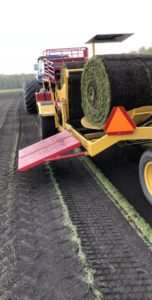
Sod is harvested in the morning while the temperature is low, therefore increasing the shelf life of the product. Our specially designed sod harvesting machine lifts strips of sod out of the earth like long rolls of carpet, removing both the sod and roots and some of the underlying soil so the root system stays in place. It is rolled into two sizes for purchase at our Elk River location, or available for delivery throughout the Midwest.

To see more photos and videos, or learn more about the products B&B Hoffman Sod Farms offers, visit us online at bbhoffmansod.com/gallery/, or call 763-434- 6572.


How to Get Your Yard in Shape Before Summer’s Outdoor Activities

Spring is the perfect time to get your yard back in shape after the long winter. As we turn our attention to lawn care, rather than snow removal, it is time to patch dead grass areas, de-thatch, and fertilize. Check out our easy pro tips on improving the appearance of your yard.

De-Thatch to Encourage Growth. Thatch is simply the layer of dead grass, roots, and debris that accumulates between the soil surface and the green grass blades above. It can form a thick mat that prevents water and air from reaching the soil. To prevent this, de-thatching should be done once a year in the early spring, usually in April. If your lawn gets too green and too thick, it’s too late to de-thatch. De-thatching, which can be done to smaller lawns with a special rake, allows you to get the thatch out of the grass, allowing air to get at the base of the plant and gives it a healthy start in the spring after a long winter. Those with larger lawns may choose to rent a dethatching machine, which is similar in appearance to a push lawn mower.

Replenish your lawn with fertilizer. Fertilizers are important to lawn care because they can expedite plant growth. Fertilizers make plants and crops grow more quickly and appear greener, fuller and healthier- we suggest using a blend low in nitrogen and high in potash. Most nutrients for your lawn are water-soluble and, over time through rain or irrigation, the water will carry nutrients out of your lawn and leave it nutrient deficient. An unhealthy lawn is susceptible to disease, and fertilizer can replenish those nutrients and keep your lawn healthy.

Repair or replace your lawn with sod. B&B Hoffman Sod Farms can help get your yard back in shape with its supply of fertilizer. But for new lawns, sod is an excellent option to jump-start the growing process because it gives you an immediate green lawn with mature density and a solid root system. Lawns established with turfgrass sod are an immediate joy and source of pride, while lawns started with seed, sprigs, or plugs take from 2 to 3 years of constant work to mature. In an instant, turfgrass sod creates a soft, clean, and safe playing surface for children, lawn games, and family entertainment. 

Spring is a great time to sod, allowing you to take advantage of our rainy season to help with watering. The cool temperatures also help with keeping on top of watering. B&B Hoffman Sod Farms in Elk River provides easy-to-use small rolls that make laying turfgrass yourself easy and efficient. There is no expensive machinery needed, making Small Sod Rolls the do-it-yourselfers product of choice.

To learn more about spring lawn care and the products that B&B Hoffman Sod Farms offers, visit them online at bbhoffmansodev.wpengine.com or call 763-434-6572.

Time to spring clean your yard

Spring is the ideal time to get your yard back in shape after a long winter.  As we turn our attention to lawn care, rather than snow removal, it is time to patch dead grass areas, de-thatch, and fertilize.  Check out our easy pro tips on improving the appearance of your yard.

De-Thatch to encourage growth. Remove dead layers of grass, roots, and debris that accumulates between the soil surface and the green grass blades by de-thatching. If not performed regularly, you  may notice portions of grass that form a thick mat, preventing water and air from reaching the soil. To prevent this, de-thatching should be done once a year in the early spring, before grass becomes bright green and thick. De-thatching, which can be done to smaller lawns with a special rake, allows you to get the thatch out of the grass, allowing air to get at the base of the plant and gives it a healthy start in the spring after a long winter. Those with larger lawns may choose to rent a de-thaching machine, which can be either be pulled behind a lawn tractor or there is a push version likely available at a local general rental store.

Replenish your lawn with fertilizer. Fertilizers are important to lawn care because they can expedite plant growth, making plants and crops grow quickly and appear greener, fuller, and healthier. Most nutrients for your lawn are water-soluble and, over time through snow, rain or irrigation, the water will carry nutrients out of your lawn and leave it nutrient deficient. An unhealthy lawn is susceptible to disease, and fertilizer can replenish those nutrients and keep your lawn healthy. Our experts recommend fertilizing early in the spring, following up every four weeks through the month of June.

Repair or replace your lawn with sod. For new lawns, sod is an excellent option to jump-start the growing process, as it gives you an immediate green lawn with mature density and a solid root system. Turfgrass sod creates a soft, clean and safe playing surface for children, lawn games, and family entertaining. Our easy-to-use small sod rolls make laying turfgrass yourself easy and efficient. There is no expensive machinery needed, making small sod rolls the do-it-yourselfers product of choice.

Prevent weeds and over-watering. Pre-emergent weed control should go down when the ground temperature reaches 50 degrees to avoid any seeds that may have dropped last fall to germinate. No need to water your lawn this early in the season just to expedite greening. Spring rains typically produce sufficient moisture for awakening lawns. Only irrigate if grass shows signs of dehydration.

To learn more about spring lawn care and the products that B&B Hoffman Sod Farms offers, visit us online at bbhoffmansodev.wpengine.com or call 763-434-6572.


B&B Hoffman Sod Farms – April Blog

Spring is the perfect time to get your yard back in shape after the long winter. It’s time to patch dead areas, de-thatch and fertilize. Pre-emergent weed control should go down when the ground temperature reaches 50 degrees, which will be earlier this year than most because of the mild winter and warm spring in Minnesota this year.

Thatch is simply the layer of dead grass, roots, and debris that accumulates between the soil surface and the green grass blades above. It can form a thick mat that prevents water and air from reaching the soil. To prevent this, de-thatching should be done once a year in the early spring, usually in April. If your lawn gets too green and too thick, it’s too late to de-thatch. De-thatching, which can be done to smaller lawns with a special rake, allows you to get the thatch out of the grass, allowing air to get at the base of the plant and gives it a healthy start in the spring after a long winter. Those with larger lawns may choose to rent a dethaching machine, which is similar in appearance to a push lawn mower.

Fertilizers are important to lawn care because they can expedite plant growth. Fertilizers make plants and crops grow more quickly and appear greener, fuller and healthier. Most nutrients for your lawn are water-soluble and, over time through rain or irrigation, the water will carry nutrients out of your lawn and leave it nutrient deficient. An unhealthy lawn is susceptible to disease, and fertilizer can replenish those nutrients and keep your lawn healthy.

B&B Hoffman Sod Farms can help get your yard back in shape with its supply of fertilizer. But for new lawns, sod is an excellent option to jump-start the growing process because it gives you an immediate green lawn with mature density and a solid root system. Lawns established with turfgrass sod are an immediate joy and source of pride, while lawns started with seed, sprigs, or plugs take from 2 to 3 years of constant work to mature. In an instant, turfgrass sod creates a soft, clean and safe playing surface for children, lawn games and family entertaining.

B&B Hoffman Sod Farms in Elk River provides easy-to-use small rolls that make laying turfgrass yourself easy and efficient. There is no expensive machinery needed, making Small Sod Rolls the do-it-yourselfers product of choice.

To learn more about spring lawn care and the products that B&B Hoffman Sod Farms offers, visit them online at bbhoffmansodev.wpengine.com or call 763-434-6572.