

As spring arrives in Minnesota, homeowners start thinking about bringing their lawns back to life. But successful spring lawn care isn’t just about the date on the calendar, it’s also all about timing, soil temps, and repairing winter damage before the season begins. B&B Hoffman Sod Farms is here to help homeowners turn tired, patchy lawns into lush, healthy landscapes this spring. Here’s how to get your lawn in tip-top shape for the season ahead.
Repairing Winter Damage: Voles, Snow Mold, and Dead Patches.. Oh My!
Minnesota winters can leave behind more than just melting snow and muddy puddles. As your lawn thaws, it’s important to assess and address any damage you find.
Vole Damage 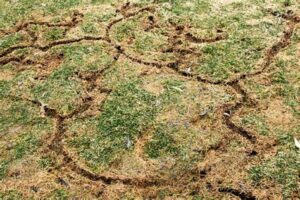
If your lawn suddenly looks like a road map, voles are likely to blame. Vole damage often appears as thin, winding trails across the lawn where these adorable yet infuriating little rodents tunneled under the snow over the winter. The good news is that it’s repairable with a little work, time, and patience. Lightly raking these areas helps remove dead grass and encourages new growth. Overseeding, fertilizer, and consistent watering will help regrowth. But if the damage is extensive, you may want to consider new sod.
Snow Mold 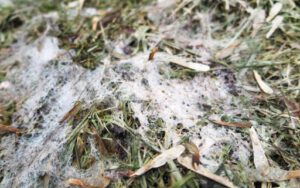
Another common issue that arises this time of year is snow mold. This will show up as matted, gray or pink patches after the snow melts. To get rid of it, gently rake the affected areas to improve airflow and promote healthy growth. If you find damage under the mold, you could aerate and overseed to get the area looking its best.
Thin/Dead Patches
If your lawn has smaller bare patches from winter damage, overseeding is one of the most effective ways to restore it. Spreading fresh grass seed improves density, fills in weak areas, and helps crowd out weeds before they can take hold. For best results, lightly rake the soil before seeding and keep the area consistently moist as the new grass establishes. If your lawn needs more extensive repair, fresh sod can be the fastest way to bring it back to life and restore a uniform, healthy appearance.
A Little Prep Goes a Long Way
Once the soil is warm and you’ve fixed any damage, here are the actions you can take to make sure your lawn looks great this spring:
- Fertilizer: Early spring is the perfect time to feed your lawn after a long winter. Applying a balanced fertilizer helps promote healthy root growth, improves color, and encourages thicker turf. A well fed lawn not only looks better but is also more resistant to weeds, disease, and stress throughout the season.
- Aeration: While fall is the ideal time for aeration, spring aeration can still benefit lawns that feel hard, drain poorly, or struggle with uneven growth. After a few months of snow and foot traffic, soil can become compacted, making it harder for grass roots to grow. Aeration helps loosen the soil and allows water, oxygen, and nutrients to penetrate deeper.
- Remove Thatch and Debris: A layer of debris and thatch can build up over winter, blocking sunlight and nutrients from reaching your grass. After the snow is gone and your lawn is dry, gently rake away leaves, sticks, and matted grass to improve overall lawn health. (But avoid being too aggressive this early in the season!)
- Check Your Equipment: Before mowing season begins, take the time to check your lawn equipment. Sharp lawn mower blades ensure a clean cut, while setting the mowing height to around 2.5 to 3 inches will encourage healthy growth.
- Water: Spring often brings rain, but it’s still important to prepare for consistent watering as temps rise. Check your sprinkler system for proper coverage and leaks, and plan to water deeply – and less frequently – to encourage strong root systems.
Trust the Soil Temperature Instead of the Calendar
One of the most important (and overlooked) factors in spring lawn care is soil temperature. Many homeowners jump into lawn treatments based on the calendar, but if the ground isn’t ready it will make a major difference in results. For example, crabgrass prevention is most effective after the soil warms up and the soil temperatures reach 50 – 55ºF consistently. Applying too early reduces effectiveness, while applying too late allows crabgrass to germinate. A good rule of thumb is to watch for steady temperatures over several days, not just a single warm afternoon, but if you want to be sure, you can track real-time soil temperatures here.
Get Your Lawn In Ship Shape for the Season
By addressing damage, using proper timing, and with a little preparation, you can set the stage for a lush, green yard all season long. B&B Hoffman Sod Farms understands the unique challenges of growing and maintaining lawns in Minnesota. Whether you need help repairing damage, improving your lawn’s health, or starting fresh with new sod, our team is here to help. Contact us today at 763-434-6572 to answer your lawn questions or to help get your lawn ready for spring.