Keeping Your Sod Green: Tips for Watering During a Drought

Keeping Your Sod Green: Tips for Watering During a Drought

Despite a rainy start to our summer, the weather is finally heating up. While we may have a surplus of water now, Minnesotans know the weather can change on a dime, and a heat wave can change things quickly. In times of drought, maintaining a lush, green lawn can be a challenge, especially when it comes to newly laid sod. Proper watering is crucial to ensure the health and establishment of your sod, even in dry conditions. Let the experts at B&B Hoffman Sod help you navigate watering your sod during a drought.
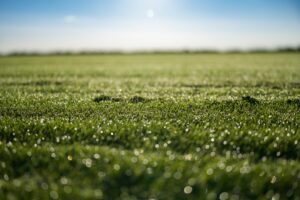
Proper watering ensures sod health and longevity even in the dryest of weather conditions
Water Deeply and Infrequently

Instead of light, frequent watering, which encourages shallow root growth, water your sod deeply and less frequently. This encourages the roots to grow deeper into the soil, where moisture is more consistent. Aim to provide at least 1 inch of water per week, either through rainfall or irrigation.

Timing is Everything

Water your sod in the early morning hours to minimize water loss due to evaporation. This allows the soil to absorb moisture more effectively and ensures that the sod has access to water throughout the day. Avoid watering during the hottest parts of the day, as this can lead to water loss and may stress the sod further.


Consider Water Restrictions and Use Proper Irrigation Techniques

To adhere to local water restrictions or guidelines during drought conditions, make the most of any rainfall and use water-saving irrigation techniques to minimize waste. If using a sprinkler system:

  • Ensure it is calibrated to water evenly across the entire area of sod. 
  • Adjust sprinkler heads to avoid runoff and ensure water penetrates the soil effectively.
Monitor Soil Moisture

Regularly check the soil moisture level to determine when your sod needs water. Use a soil moisture meter or simply insert a screwdriver into the soil to gauge moisture depth. Ideally, the top 4-6 inches of soil should remain consistently moist but not waterlogged.

Protect Your Investment

Remember, investing time and effort into watering your sod during a drought pays off in the long run. Properly established sod not only enhances the beauty of your landscape but also provides numerous environmental benefits, such as reducing erosion and capturing carbon dioxide.

By understanding your sod’s needs, implementing proper watering techniques, and considering water conservation strategies, you can help ensure its health and longevity even in the dryest of weather conditions. For more tips on caring for your lawn or assistance with installing our premium Kentucky Bluegrass sod, reach out to B&B Hoffman Sod by calling (763) 434-6572 or visiting our website. We’re here to support you in creating and maintaining a vibrant, healthy lawn year-round.

Get Your Yard Ready To Host Summer Events!

Get your yard ready for summer events with B&B Hoffman Sod Farms

Minnesota summers are perfect for hosting outdoor gatherings like weddings, graduation parties, birthday parties, and family reunions. When you host an event in your backyard, it becomes the backdrop where memories are created and treasured. If your lawn is looking patchy or bare, laying sod is a great way to quickly establish a lush, green backdrop for an outdoor event. If you’re unsure about when you should start or what you need to do to get your lawn ready, B&B Hoffman Sod is here to help make your yard the ideal backdrop for hosting. Here are the most important things to consider for making your outdoor space the best it can be on the big day:

Timing

Ideally, you should lay sod at least 2-3 weeks before the event. Allowing enough time before your gathering allows the sod roots to establish themselves in the soil, giving it a better chance to withstand foot traffic and activities during the event.


Preparation 

Before laying sod, prepare the soil thoroughly by leveling it, removing any debris, and adding any necessary soil amendments or fertilizers. Ensure the soil is moist but not overly soggy.


Weather 

Aim to lay sod during mild weather conditions, typically in spring or early fall when temperatures are cooler. Avoid laying sod during extreme heat or cold, as these conditions can stress the sod and affect its establishment.


Watering 

Immediately after laying sod, it’s crucial to water it thoroughly to help it settle and initiate root growth. Keep the sod consistently moist in the following weeks, adjusting watering frequency based on weather conditions.


Mowing and Maintenance 

Avoid cutting more than one-third of the grass blade at a time to prevent stress on the newly established sod.


High-Traffic Areas 

If possible, restrict heavy foot traffic on newly laid sod until it has firmly rooted into the soil. Consider using temporary pathways or stepping stones to minimize damage in high-traffic areas.


If you’re planning to host an outdoor event and unsure about the timing or process of laying your sod, reach out to us at B&B Hoffman Sod Farms! We can provide the guidance you need to ensure your lawn is perfect for your event. Our beautiful Kentucky Blue Grass and expert knowledge will make your lawn a stunning backdrop for your special occasion.


Installing Your New Sod

Congratulations! You decided to spruce up your yard by laying new sod this spring. The idea of installing your new sod yourself can be overwhelming, and now the rolls of sod have been delivered and you have no idea what to do with them. Don’t worry! B&B Hoffman Sod is here to walk you through the questions that arise during the installation of a beautiful new lawn. These are the most common questions we get about sod installation:

  • How long should I wait to lay my new sod?

    Sod must always be laid the same day as delivery.


  • Where should I begin?

    Begin laying sod at a straight edge such as a sidewalk, driveway, curb, or string between two stakes. If you’re sodding your entire yard, we recommend working from the backyard to the front.


  • How should I lay the sod?

    Stagger the rows as if you were laying bricks with the seams butted together tightly but not overlapping.


  • Is there anything special I should be doing with the sod as I lay it?

    Keep the sod moist and prevent it from drying out. Once an area of approximately 200 square feet is installed, begin watering immediately. Keep rotating sprinklers onto freshly laid sod while continuing to install the remainder of your yard. Water enough that it has penetrated through the sod and saturated the dirt underneath, bog-like.


  • My sod looks lumpy – how can I fix it?

    If you see lumps in your yard and wish to roll them out, you should do so within the first week. Rolling is not necessary, but it is an option if you feel it would improve the appearance. If you do opt to roll it, rollers can be rented from a local rental store. Be sure your lawn is very damp before you begin and when using the roller, we recommend you pull it along rather than push it. 


Now that you’ve laid the new sod, proper care is crucial to keep it looking its best. It may seem obvious, but the most important thing to do is WATER, WATER, WATER! 


If you still have questions about installing or caring for new sod, we are always happy to help! Contact B&B Hoffman Sod with any questions you may have to keep your new sod looking as lush as the day we cut it.

How Should I Take Care of My Lawn During a Drought?

In general, you should only be watering your lawn when it needs it, but knowing when your lawn needs watering might be difficult!

Grass needs to be watered about 1” to 1½” per week and you shouldn’t water any lawn every day. However, on the days you do, water the sunny spots more frequently than the shaded spots. If the grass is newly planted there will be more watering requirements to assure healthy root development. Make sure you never overwater because it can lead to shallow root systems and can drown new grass shoots, especially during drought season. 

Speaking of drought season, here are some methods and remedies that can help your lawn make it through in one piece!

Watering your lawn deeply and infrequently before 10 a.m. is essential to ensure you’re not wasting money away. If you start to see thin or bare patches of dirt, overseeding helps repair these areas. However, if the patch is too far gone reach out to us, B&B Hoffman Sod Farms, for help with sod applications. 

Before a drought, begin nourishing your grass with the correct fertilizer so your grass can store up what it needs. Whenever mowing never cut off more than ⅓ of your grass and drought conditions can stunt the growth of your grass, so the rule applies more than ever. 

If you have more questions about lawn care during a drought or the products that B&B Hoffman Sod Farms offers, visit us online at bbhoffmansod.com or call 763-434-6572. 

Improve your lawn with new sod, even in late summer heat!

If you’ve spent most of the summer trying to get grass seed to sprout, only to have a mud pit in your yard, consider trying sod. Available in multiple sizes, sod is easy to install and maintain, offering a lush, beautiful lawn before the leaves begin to fall.

Preparation. To create a thriving lawn, it is important to first prepare the soil. Loosen the top six to eight inches of soil by raking or tilling, adding any amendments your particular soil may need (such as clay, sand, or peat moss). Level the surface with a rake and grade toward walkways or driveways as needed. 

Installation. Sod can be installed anytime, but in August homeowners need to be diligent with watering. If you have the opportunity, lay sod on a cool, overcast day to minimize plant stress. Stagger rolls in a brick-like pattern and place seams together without overlapping. 

Water regularly. Moisten the soil to a depth of 4 inches or until you can lift the sod and see that the water has penetrated through and saturated the ground underneath. Remember to water at least once or twice a day for 8 days. After 8 days, the grass will tell you if it needs water by appearing bluish in color. After 8-10 days gently tug at the sod, if you feel a little resistance, then you know the roots are starting to anchor in the soil and it is safe to mow. 

Mowing and Maintenance. Mowing stimulates root growth; therefore, you want to mow around the 10 day mark. Ensure your mower is on the highest setting to help evenly distribute the moisture it receives and slow the spread of disease. Consider bagging the clippings the first few times to stimulate further root development. Allow your lawn about a month of growth, then feed it with fertilizer to counteract any nutrients that may have been lost due to heavy watering in the beginning of the process.

Turfgrass sod creates a soft, clean, and safe playing surface for children and pets, provides a great environment for  lawn games, and improves family entertaining. Learn more about sod and the products B&B Hoffman Sod Farms offers by visiting us online at bbhoffmansod.com or call 763-434- 6572.


How Often to Water New Sod

As the intense heat of summer starts, be certain you’re tending to your new lawn to ensure that it will flourish going forward. Getting sufficient water onto new sod, and keeping it moist throughout the next few weeks is critical. Below is a breakdown of what your watering schedule should look like.

The day of installation.

As you install your new sod, be sure to have the sprinklers going right away. Start your sprinklers once you have an area installed large enough that you won’t get wet as you continue to lay your new sod. In dry or windy conditions, move your sprinklers often so no area goes too long without water.  Be sure to water long enough that when you lift a roll of sod, the water has penetrated through the sod and has saturated the ground underneath…. Bog like.

The next three weeks.

Keep the below-turf soil surface moist with daily (or more) waterings. Your sod is like a wet sponge– it is moist when it’s laid down and if it’s not watered immediately, the sod will shrink which can lead to cracks between each roll. If your sod looks dry or has a bluish look, water immediately! When you water every day it takes less water to keep the sod moist. Plan to water your new sod two to four times each day for the first seven to ten days after it is laid.

Tip one.

Water long enough so that when you step onto the sod it’s squishy, or set a tuna can out by the sprinkler and when it’s filled, move your sprinkler to a new area. If you use a pulsating sprinkler or a sprinkler system, it should take approximately 45 minutes. An oscillating sprinkler will take about one hour.

Tip two.

Water as early in the morning as possible. The morning usually has lower wind speeds and has less loss of water evaporation.

Tip three.

If you have issues with runoff on sloped areas before the soil is adequately moist, turn off the water when runoff begins, wait 30 minutes and restart the watering on the same area.

Tip four.

Make SURE that the areas being watered over-lap. Corners and edges are particularly vulnerable to drying out faster than the center of new sod.

Always monitor your lawn for signs of dryness. If you find there are spots your sprinklers aren’t reaching, use a handheld sprayer to spot-water those areas. Your vigilant work will be worth it when you have a lush green lawn to enjoy for years to come. B&B Hoffman Sod is available to answer any questions at 763-434-6572!

A Sod Farm Near Me: What you Need to Look for Besides Proximity

We all do it, when we search for a product or service we look for a shop that is close. While proximity can be helpful, there are other factors to consider as well. This list will explain what to keep in mind when you are looking to purchase from a “sod farm near me.”

Proximity. The main reason to consider proximity is for freshness. Sod needs to be healthy and fresh for it to take root, grow, and stay strong. Sod that has been sitting can overheat, causing permanent damage. Using a sod farm that has healthy and fresh sod is more important than using a sod farm that is closest to you.

Sod Quality. Healthy sod is free from disease and pests. Quality also refers to the right type of grass for your area. Before purchasing sod, be sure you’re picking the right variety for your environment. 

  • Our Kentucky Bluegrass sod is grown locally in Elk River, serving many contractors and homeowners in urban and rural areas throughout Minnesota, Wisconsin, North Dakota, and South Dakota Kentucky Bluegrass sod is well-known for its ability to maintain its beauty and adapt to changing temperatures and watering practices. Each piece is grown in uniform thickness and bred to be dark green, soft, and durable.

Service. After you decide where you will purchase, ensure your yard is ready for installation. You may end up wasting money if your sod isn’t installed or maintained correctly. We suggest researching and asking your provider questions before installation.

Our sod experts are available to answer your questions regarding installation, maintenance, measurements, and ordering. We take pride in our sod and want to make sure you have the facts about what it takes to have a healthy yard for your family and pets. 

B&B Hoffman Sod is local and here to provide you with the information you need for a beautiful new lawn, quickly achieved with sod. Contact us today to learn more about our sod and services, and you won’t have to worry about searching for a “sod farm near me!”

The Benefits of Natural Grass Sod

Throughout many of life’s moments, lawns have been in the backdrop almost unnoticed, yet an essential element. Natural grass is much more than the outdoor space families and pets enjoy. Check out these fun facts about natural grass:

  • Emerging research shows that walking barefoot on grass may have protective effects on human health
  • Healthy natural grass produces fresh oxygen, captures carbon dioxide, and improves the air we breathe
  • Natural grass reduces urban heat island effects and can be up to 70 degrees cooler than hardscapes
  • Natural grass sod is the most effective ground cover for delaying runoff, reducing erosion, and protecting watersheds
  • Natural grass produces fewer lower-body injuries and concussions than synthetic turf
  • Beneath natural grass is a thriving ecosystem of insects, arthropods, and soil microbes that can restore disturbed soils to native conditions
  • 89% of professional football players think artificial turf leads to more soreness/fatigue and will shorten their career
  • In a typical urban landscape, natural grass captures 90% of atmospheric carbon dioxide, followed by 9% by trees, and 1% by shrubs

Why Sod?

Turfgrass sod is one of nature’s finest, least expensive filters, working to improve the environment. Because turfgrass sod is fully mature the day it’s delivered, it is the fastest and easiest way to establish a lawn. Although seeding initially costs less, many costs recur due to erosion, reseeding, over-seeding, and watering. Newly seeded lawns can take a great deal of time and nurturing to establish into a mature, healthy lawn and cannot be used for months.

  • Sod is easy to work with and instantly creates a soft, clean, and safe surface
  • Sod can be installed anytime the ground is not frozen
  • Sod uses less water to establish than seed
  • Seed can take 6 months to a year to form a usable lawn

If you’re looking for a grass option to boost your lawn and the environment around you, give us a call to chat about installing natural grass sod for an instant transformation. Our friendly, knowledgeable staff are committed to answering all of your questions to ensure a stress-free experience with your new Minnesota sod lawn. Whether you wish to sod a small play area for the family or an entire neighborhood or business, B&B Hoffman Sod can help you make it happen. To learn more about  B&B Hoffman Sod Farms and our family business, visit us online at bbhoffmansod.com or call 763-434- 6572.

Tips on How to Plan Your Dream Lawn

This Minnesota snow has me daydreaming of days spent outside soaking up the summer sun. But, since there is still snow on the ground it is a great time to start daydreaming and planning your ideal lawn.

Designing a lawn is like designing any part of your landscape. You will need to consider how you plan to use the space and what your needs are. Here are a few tips for designing your perfect lawn.

Using the space: ‘how do you use the lawn?’ If you have kids, they’re going to want a large open, grassy area to kick the ball or play catch. While, if you’re an older couple, you may prefer just enough grass to provide an open, clean look to occasionally entertain on.

Initial installation: In comparison to planter beds or patios, a lawn can be inexpensive to install. That being said, a larger lawn will require more resources which has an impact on price. If you are debating on what to start your lawn with check out this resource on sod vs. seed.

Proximity to your home: Lawn can double as a great pathway or entertaining area, it is nice to have lush green grass just off your patio or back door to expand the usable space in your landscape.

Maintenance: A beautiful lawn requires mowing, edging, fertilizing, aeration, and occasional weed control to keep it looking lush. If you start your lawn out by laying sod, you will have an instant lawn with mature density and a solid root system. While a lawn that is started with seed can take two to three years of dedicated work to mature. 

Drainage: Sod or seed won’t grow in an area that is constantly pooling with water. If you have an area of your property that is known to have bad drainage be sure to create a drainage system first.

Highlight your garden: A carpet of green lawn looks beautiful surrounding a garden. The openness of a grassy area makes a good visual contrast to the varied shapes and colors of trees and shrubs.

The Minnesota winter is a great time to start planning your dream yard. Follow these tips and head to Pinterest for some inspiration. 

When you’re ready to chat about starting your lawn out with sod reach out to B&B Hoffman Sod, we would love to help! Turfgrass sod creates a soft, clean, and safe playing surface for children and pets, provides a great environment for lawn games, and improves family entertaining.

How is sod harvested?

Cultivating sod for our clients requires patience, time, and attention to detail. B & B Hoffman crews work tirelessly to grow turf that is healthy, robust, and free from weeds so when planted in its final destination it compliments any home, workplace, or recreation area.

With several farms located in central Minnesota locations, we help ensure a fruitful season by offering a variety of terrain and temperature. Our Kentucky Bluegrass is fertilized regularly and mowed every other day to produce thick, full turf. Sod is harvested 12-16 months after planting when the ground is not frozen (in our case, typically April through November).

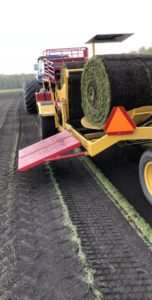
Sod is harvested in the morning while the temperature is low, therefore increasing the shelf life of the product. Our specially designed sod harvesting machine lifts strips of sod out of the earth like long rolls of carpet, removing both the sod and roots and some of the underlying soil so the root system stays in place. It is rolled into two sizes for purchase at our Elk River location, or available for delivery throughout the Midwest.

To see more photos and videos, or learn more about the products B&B Hoffman Sod Farms offers, visit us online at bbhoffmansod.com/gallery/, or call 763-434- 6572.